The biggest IPTV story of 2026 is the mainstreaming of cord-cutting. IPTV is no longer a niche technology — it's the default for a growing portion of US households, especially those under 40.
The streaming industry looked very different in 2020. Cable TV still dominated US living rooms. Netflix was the exception, not the rule. By 2026, the shift to IP-based television is comprehensive, accelerating, and increasingly irreversible. Here's what's driving it.
AI-Powered Content Recommendations Are Reaching IPTV
Netflix pioneered algorithmic recommendations — a system that accounts for not just what you watch, but how you watch it, when you stop, and what you re-watch. For years, that kind of personalization was exclusive to walled-garden platforms with massive first-party data operations. That gap is closing.
IPTV apps like TiviMate and newer entrants are experimenting with recommendation engines built on viewing history. The data model is simpler than Netflix's, but the direction is clear. Beyond apps, providers themselves are beginning to offer curated "channels" assembled from viewing data rather than serving up static M3U lists with 10,000 entries and no organization. The result is a more managed experience — less time scrolling through undifferentiated channel lists, more time watching content that's actually matched to your tastes. For a technology that has historically been very utilitarian in its UX, this is a meaningful shift.
8K Infrastructure Is Being Built — But 4K Is the Real 2026 Story
True 8K IPTV streaming requires approximately 100 Mbps of sustained throughput per stream. That's not yet practical for most US homes, where the median fixed broadband speed sits around 200 Mbps total but varies enormously by ISP, location, and time of day. 8K is a 2028–2030 story for the mass market.
But 4K is already here in a meaningful way. HEVC-encoded 4K streams now routinely run at 15–25 Mbps — well within reach of average US broadband. More importantly, CDN infrastructure build-out by major providers has dramatically reduced 4K stream instability compared to two or three years ago. The buffering that plagued early 4K IPTV is largely an artifact of the past for reputable services. Looking slightly further ahead, AV1 codec adoption — YouTube has been pushing it hard — will roughly halve 4K bandwidth requirements over the next two to three years, making high-resolution streaming even more accessible across connection types.
Cloud DVR Is Becoming Standard
The era of local DVR storage — a physical hard drive in a set-top box — is giving way to cloud-based recording. YouTube TV's move to unlimited cloud DVR set an expectation that the rest of the market is now racing to meet. IPTV services are following, with cloud DVR either included in base subscriptions or available as a low-cost add-on rather than a premium tier.
Cloud DVR solves the "I forgot to record it" problem entirely. Providers can technically offer retroactive recording — giving subscribers access to content that aired before they hit record — because the content was already being ingested on the server side. Catch-up TV (typically 7-day replay access to recently aired programming) is increasingly included by default in IPTV subscriptions rather than sold separately. For users who previously stayed on cable purely because of DVR reliability, this removes one of the last practical arguments for keeping the cable box.
Sports Is No Longer Cable's Exclusive Territory
For years, live sports was the strongest remaining argument for keeping a cable subscription. That argument eroded substantially in 2025. The NFL Sunday Ticket moved to YouTube TV. The NBA's new media rights deal put games on Amazon Prime. UFC content spread across multiple streaming platforms. The major professional leagues, following the money, are no longer exclusively tied to linear cable distribution.
The RSN (Regional Sports Network) collapse has paradoxically worked in cord-cutters' favor. Bally Sports' bankruptcy and the Diamond Sports restructuring — which had locked local team coverage to cable bundles for years — has freed regional sports content from those exclusive arrangements. IPTV providers can now acquire RSN content that was previously off-limits. For sports fans, 2026 is the most viable year yet to cut the cord without missing games. It's not perfect — local blackout rules still apply in some markets — but the landscape looks fundamentally different than it did 24 months ago.
Multi-Screen and Multi-Device Viewing Is the New Normal
Nielsen's 2025 streaming data puts the average streaming household at 3.2 devices watching simultaneously during peak hours. The single-screen household is an increasingly rare demographic. This shift is reshaping how IPTV subscriptions are structured.
Services that cap users at one or two simultaneous streams are losing ground to plans that allow household-wide access — four, five, or unlimited concurrent connections. The consumer expectation, set by Netflix's household plans and YouTube TV's no-limit approach, is that a subscription covers everyone in the home. On the app side, TiviMate's multi-screen picture-in-picture feature and split-screen players designed for sports fans are growing in adoption. Watching the main game while keeping a score ticker open in a corner of the screen isn't a power-user trick anymore — it's becoming a baseline expectation for sports-focused IPTV subscribers.
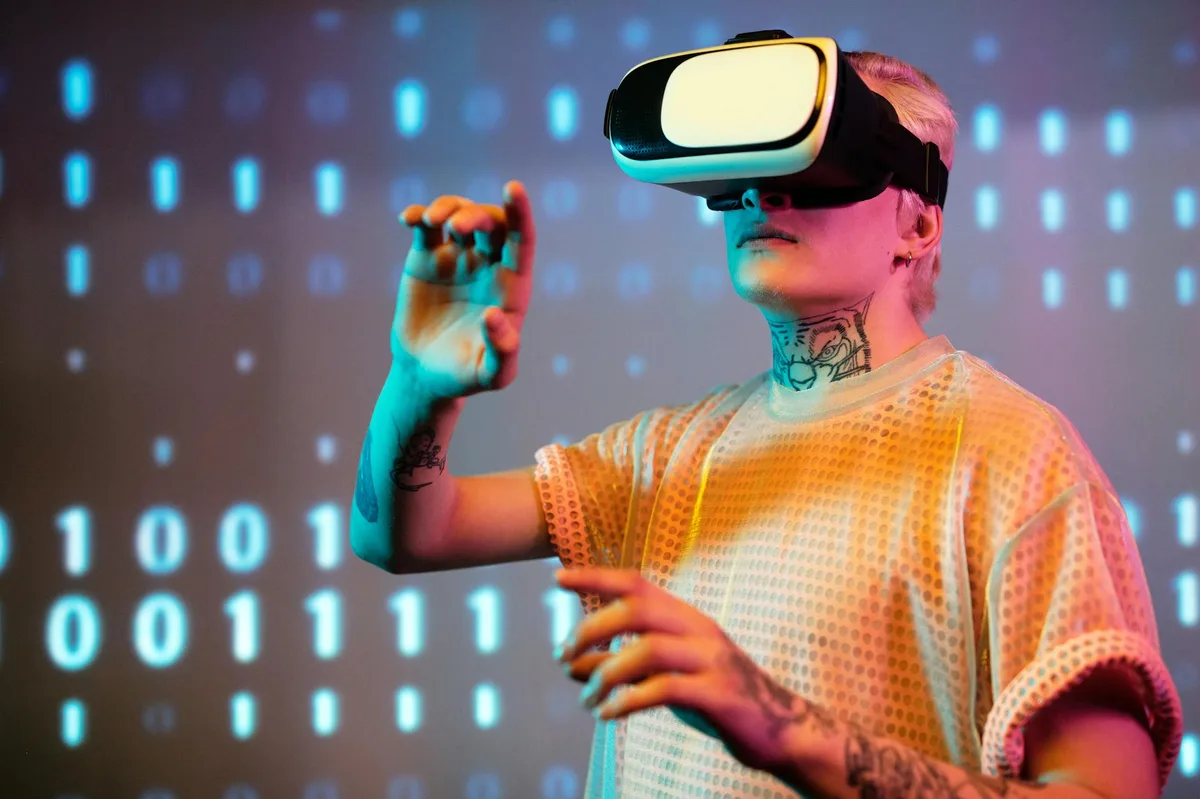
VR and Spatial Computing Enter the IPTV Conversation
Apple Vision Pro established a new device category when it launched, and Meta Quest 3's streaming capabilities have matured to the point where watching video in a virtual environment is genuinely comfortable for extended sessions. These aren't curiosities anymore — they're real consumer products with real user bases.
Live sports in VR spatial video is the most compelling early use case. The experience of watching a basketball game feeling "courtside" — with genuine depth and scale — without leaving the living room is something that traditional 2D streaming simply cannot replicate. In 2026, VR-compatible streams are appearing in high-end IPTV packages, mostly as a differentiator for premium tiers. The mass-market moment is still a few years out: headset prices need to drop further, and content pipelines need to scale. But the trajectory points toward VR and spatial video becoming a mainstream IPTV feature by 2028–2030 as hardware costs follow the typical consumer electronics curve.
The Death of Cable TV Becomes Official in Certain Markets
US cable TV subscribers dropped below 50 million for the first time in 2025 — a threshold that analysts had been projecting for years, but which still landed as a symbolic inflection point when it arrived. The decline is not slowing. According to Statista cord-cutting data, the rate of subscriber loss accelerated through 2024 and into 2025, with younger demographics essentially never having subscribed in the first place.
Several smaller cable providers are no longer renewing infrastructure investment in lower-density service areas, defaulting instead to IP delivery over their existing internet infrastructure. The distinction between "cable company" and "internet service provider that also offers TV" is collapsing. Comcast, Charter, and others have already repositioned themselves primarily as broadband providers; television is increasingly a software layer on top of that pipe, not a separate infrastructure business. The semantic distinction between "cable TV" and "IPTV" is eroding — at the delivery technology level, the two are converging. What's changing is the business model, the pricing structure, and who controls the user experience.
What This Means for IPTV Users in 2026
More competition between streaming services and IPTV providers means better pricing for consumers. The era of paying $120/month for a cable package that included 400 channels you never watched is over in most markets. The replacement landscape is more fragmented — a combination of a base IPTV subscription, one or two on-demand streaming services, and perhaps a sports add-on — but the total cost is lower for most households willing to put in the initial setup time.
Better infrastructure translates directly into fewer buffering complaints, which has historically been the primary reason cord-cutters returned to cable. The 4K CDN improvements described above, combined with wider adoption of HEVC encoding and better adaptive bitrate logic in modern IPTV players, mean that stream reliability in 2026 is genuinely comparable to cable for most use cases. Services like IPTV US have benefited directly from these infrastructure improvements — their 4K stream reliability is measurably better today than it was two years ago. That matters because reliability was the last technical barrier separating IPTV from cable in the minds of mainstream users.
Mainstream adoption is also driving better app development and UX across the board. When IPTV was a niche technology, the apps reflected that — functional but rough. As the user base has grown to include people who aren't technically inclined, the pressure on developers to build polished, intuitive interfaces has increased. The best time to switch to IPTV is now. The technology has matured to the point where the compromises are minimal for most users, and the advantages — cost, flexibility, device compatibility, improving content breadth — are substantial and growing.
Related Reading
- What is IPTV? A Complete Beginner's Guide for 2026
- IPTV vs Cable TV: Which is Better in 2026?
- How to Choose the Right IPTV Provider: 10-Point Checklist
- Complete Cord Cutting Guide: Ditch Cable in 2026
Sources: Nielsen 2025 Streaming Report · Statista cord-cutting data · FCC Broadband Progress Report